How to Master Group, Couple, Family Portrait Photography
Michael • updated June 9, 2024 • 10 min read


Michael • updated June 9, 2024 • 10 min read
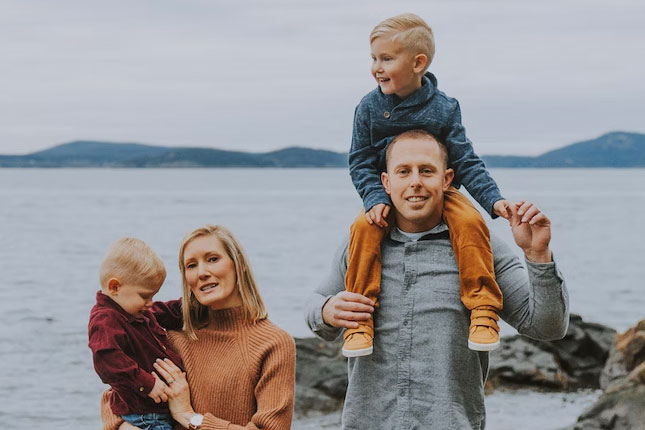
Family portrait photography captures the connections that matter most, freezing moments between loved ones that become treasured memories for generations. Getting great family photos isn’t just about pointing and shooting. It’s about understanding light, working with people, and creating images that tell your family’s unique story.
Content
Family photos serve a bigger purpose than just documenting who was there. They capture relationships, personalities, and the way your family looks and feels at this exact moment in time. Kids grow up fast. Parents age. Family dynamics shift. These images become windows into chapters of your life that you’ll want to revisit again and again.
Family portrait photography is the art of capturing natural interactions and genuine emotions between family members, typically done outdoors or in the home environment using natural light and relaxed posing techniques that result in timeless, authentic images.
Your phone takes decent snapshots, but professional family portraits offer something different. They’re planned, well-lit, and composed to highlight everyone at their best. The quality difference shows up in print sizes, wall displays, and how these images age over time.

The best time for outdoor family photos is during golden hour, which happens about an hour before sunset. The light is soft, warm, and flattering for everyone. Early morning works too, but evening sessions tend to be easier with kids who might be cranky first thing in the morning.
For indoor sessions, look for rooms with large windows that provide plenty of natural light. Avoid harsh overhead lighting or mixed light sources that create unflattering shadows.
Coordination beats matching every time. Pick a color palette of 2-3 colors and let everyone choose outfits within that range. Solid colors and simple patterns work better than busy designs that compete for attention.
Avoid:
Choose:

Different families connect with different photographic approaches. Understanding these styles helps you choose what works best for your group.
This approach captures your family as you naturally are. The photographer follows along without much direction, documenting real moments as they happen. Great for families who want authentic, unposed images but requires patience as genuine moments unfold organically.
Everyone looks at the camera with structured positioning. This style guarantees certain shots (like the classic family lineup) and works well for formal occasions or when you need specific groupings for extended family.
The sweet spot between documentary and posed styles. The photographer provides gentle direction to create flattering compositions, then lets natural interactions develop. Most families find this approach comfortable and effective.

Aperture: Use f/2.8 to f/5.6 for individual portraits or small groups. For larger families, try f/8 to keep everyone in focus.
Shutter Speed: Keep it above 1/250s when photographing children to freeze movement. Adults can be shot at slower speeds if they’re still.
ISO: Start at ISO 100-400 outdoors in good light. Indoor sessions might require ISO 800-1600 depending on available light.
Focus: Use single-point autofocus for precision. Focus on the eyes of the person closest to the camera, or use back-button focus for better control.

Window light creates beautiful, soft illumination for indoor family photos. Position your family at a 45-degree angle to the window to avoid flat lighting. If the light is too harsh, use sheer curtains to diffuse it.
Outdoor shade provides even, flattering light without harsh shadows. Look for open shade under trees, overhangs, or buildings. Avoid dappled light that creates spotted shadows on faces.


Start with everyone standing naturally, then adjust from there:
For seated poses, have family members sit close together with bodies angled toward the center of the group. This creates connection and prevents everyone from looking stiff and separate.

| Location Type | Pros | Cons | Best For |
|---|---|---|---|
| Your Home | Comfortable environment, meaningful setting, no travel time | Limited lighting options, potential clutter | Newborn sessions, lifestyle photos, families with very young children |
| Local Park | Varied backgrounds, usually good lighting, familiar to kids | Crowded on weekends, limited seasonal options | Active families, multiple outfit changes, extended sessions |
| Beach/Waterfront | Beautiful natural light, romantic setting, timeless appeal | Weather dependent, can be windy, sand gets everywhere | Vacation photos, anniversary sessions, families who love water |
| Urban Setting | Modern aesthetic, architectural interest, great for black and white | Busy backgrounds, parking challenges, noise | Stylish families, older kids, artistic portraits |
| Studio | Controlled lighting, weather independent, professional setup | Can feel formal, limited creative options | Traditional portraits, large groups, specific lighting needs |

This is the classic family photo challenge. Take multiple shots in quick succession, then blend the best expressions in post-processing if needed. Let family members know you’re taking several photos so they don’t move between shots.
Overcast days actually provide beautiful, even light for family photos. Don’t cancel sessions because it’s cloudy. If you’re stuck with harsh sun, find open shade or use a large reflector to bounce light into shadowed faces.
Bring backup activities: bubbles, small toys, or snacks. Take breaks when needed. Sometimes the best shots happen between posed photos when kids are just being themselves.
Every family has someone who doesn’t want to be photographed. Address concerns early, keep the mood light, and focus on getting a few great shots rather than forcing cooperation.

Start with these fundamental edits:
Family photos should look like your family, not like magazine covers. Avoid over-smoothing skin or dramatically altering appearances. Kids’ skin rarely needs heavy retouching.
Develop a signature editing style that works across different lighting conditions. This creates cohesion when displaying multiple family photos together.
Print your favorite images. Digital files are convenient, but printed photos have lasting impact. Consider:
Plan family photos every 2-3 years, or whenever there are major changes (new babies, graduations, moves). Don’t wait for the “perfect” time. Kids grow quickly, and you’ll regret waiting too long between sessions.
When you find a photographer whose work you love, stick with them. They’ll understand your family’s personality and preferences, making future sessions more comfortable and efficient.
Great family portraits combine technical skill with genuine connection. The best images capture who your family really is, not just how you look.
Embrace the chaos of family life and don’t stress about perfection. The photos that matter most make you smile years later, bringing back exactly how it felt to be together.
Invest in quality, plan thoughtfully, and trust the process. Your future self will thank you for documenting these precious moments.
Book ideas across different genres:
“Group Portrait Photography Handbook” by Bill Hurler
“Couples Photography Poses” by Robert Bezman
“Classic Family Portraits” by Ed Pedi
Related Articles
Your thoughts and questions