

Mastering Car Interior Photography: A Comprehensive Guide
Michael • updated July 9, 2025 • 11 min read


Michael • updated July 9, 2025 • 11 min read

Car interior photography presents unique challenges that separate it from regular automotive shoots. You’re working in cramped spaces with mixed lighting, reflective surfaces, and the constant battle against unwanted glare. Getting those stunning cabin shots requires a different approach than exterior car photography.
Interior work is a specialized niche; for a broader look at how to approach every angle of a vehicle, check out our mastering automotive photography guide.
Content
The art of taking high-quality pictures of the inside of a car is called “car interior photography.” Car manufacturers, car dealerships, and automotive photographers use this type of photography to show off the design and features of the inside of a car.
Car interior photography plays a crucial role in the automotive industry. Most people who want to buy a car today do their research and shop online.
High-quality interior photos help potential buyers get a better idea of what a car looks like inside, which can influence their decision to purchase it or not.
The first and most important piece of equipment for car interior photography is a camera. A high-resolution camera with manual controls is ideal for this type of photography. For the best picture quality, you should use a full-frame camera with a high number of megapixels.
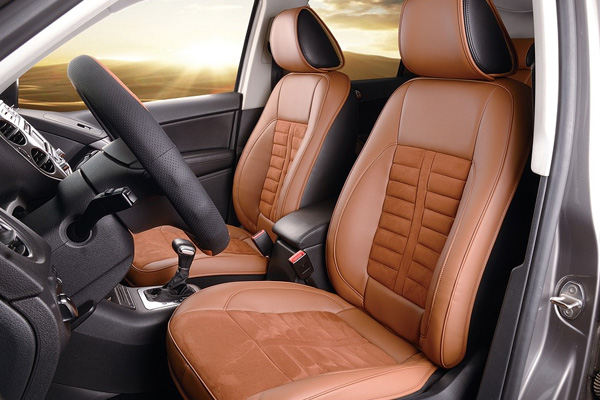
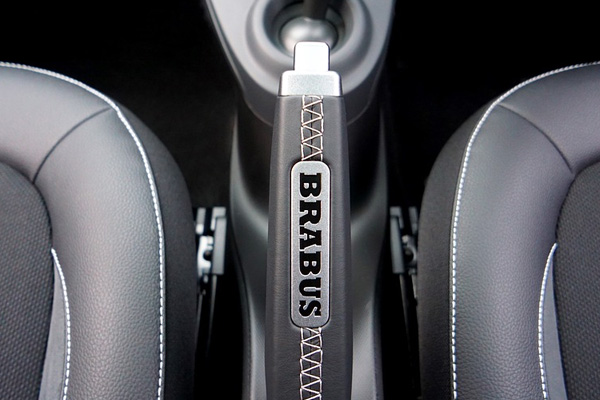
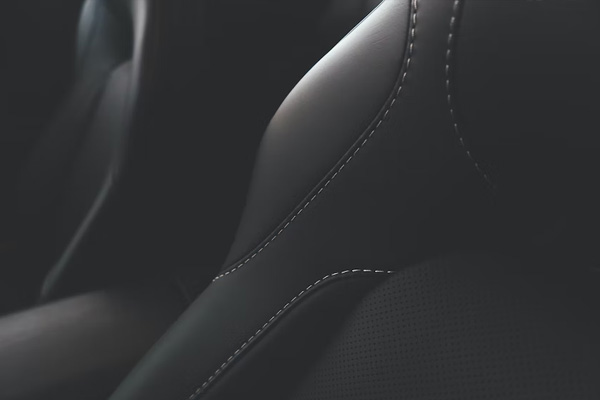
The right lens is critical for capturing high-quality car interior photos. A wide-angle lens is a great choice for capturing the entire interior of a car, while a macro lens is ideal for capturing details like the stitching on a leather seat.
Proper lighting is crucial in car interior photography. Portable studio lights or strobes can help you achieve the right amount of light and shadows in your photos. You can also use softbox diffusers to soften the light and eliminate harsh shadows.
A tripod is a must-have for car interior photography. A sturdy tripod will help you keep your camera steady, reducing the chances of blurriness or camera shake in your photos.

Your camera body doesn’t need to be the latest flagship model, but full-frame sensors perform better in low-light conditions. The Canon 5D Mark IV and Nikon D850 are solid choices, though mirrorless options like the Sony A7R IV offer excellent results with better maneuverability in tight spaces.

Wide-angle lenses are non-negotiable. A 16-35mm lens captures the full cabin while maintaining natural proportions. Ultra-wide lenses (14mm or wider) can create dramatic perspectives but watch for distortion that makes the interior look unnatural.
Lighting equipment separates amateur snapshots from professional results. LED panels provide consistent, controllable illumination without the heat issues of traditional tungsten lights. Godox and Aputure make compact panels perfect for automotive work.
| Setting | Recommended Range | Purpose |
| Aperture | f/8 – f/11 | Optimal depth of field |
| ISO | 200 – 1600 | Clean image quality |
| Shutter Speed | 1/60 – 1/250 | Sharp handheld shots |
| Focus Mode | Single Point AF | Precise control |

Mixed lighting sources create color temperature nightmares. Dashboard LEDs, ambient lighting, and exterior daylight all have different color temperatures. Shoot in RAW format to maintain maximum flexibility during post-processing.
Reflections plague every interior photographer. Position your lights at angles that don’t bounce directly back into the lens. Sometimes moving your camera position by just a few inches eliminates problematic reflections entirely.
Even illumination requires multiple light sources. One light creates harsh shadows and uneven exposure across the cabin. Three-point lighting (key, fill, and background) works well for interior photography.
Natural light through windows can supplement artificial lighting, but control it with diffusers or reflectors. Direct sunlight creates harsh contrasts that overpower interior details.

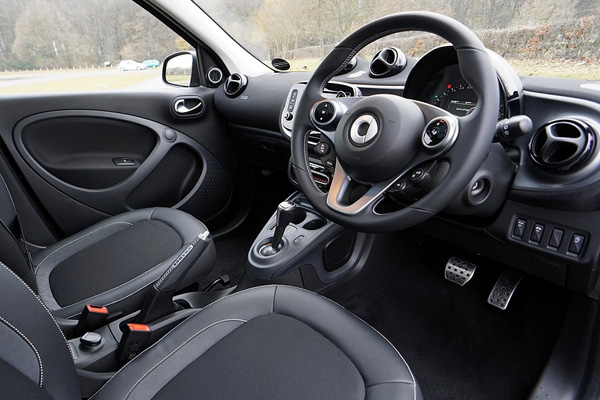
Wide establishing shots show the overall cabin layout and design flow. These work well for luxury vehicles where the entire interior tells a story about craftsmanship and attention to detail.
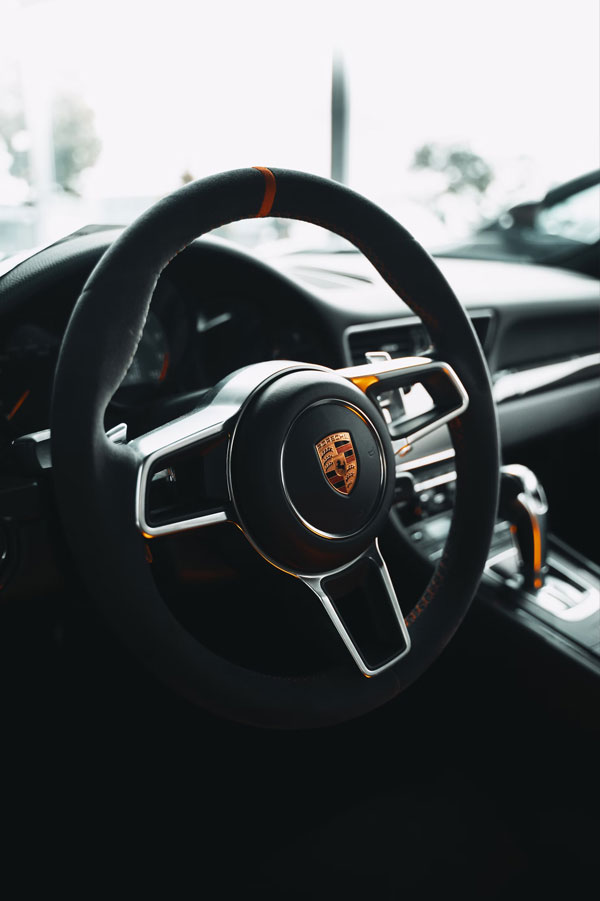
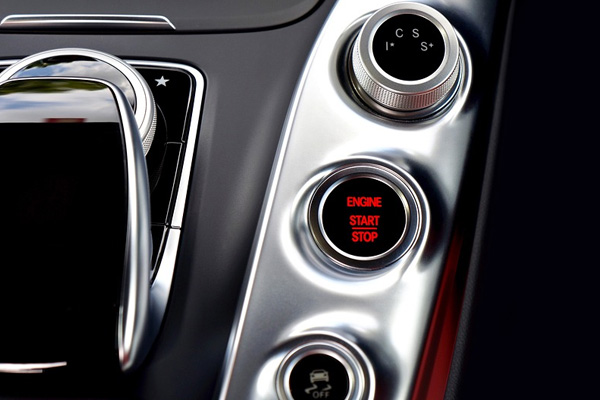
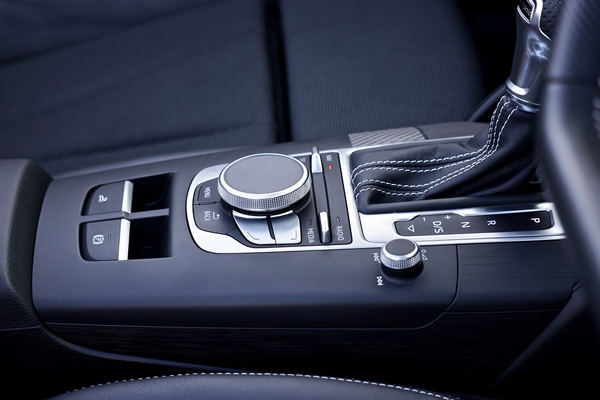
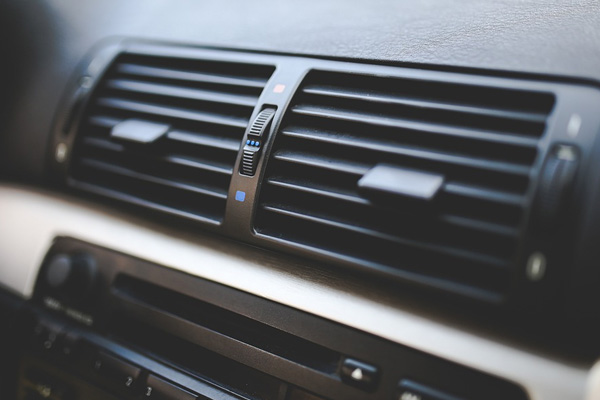
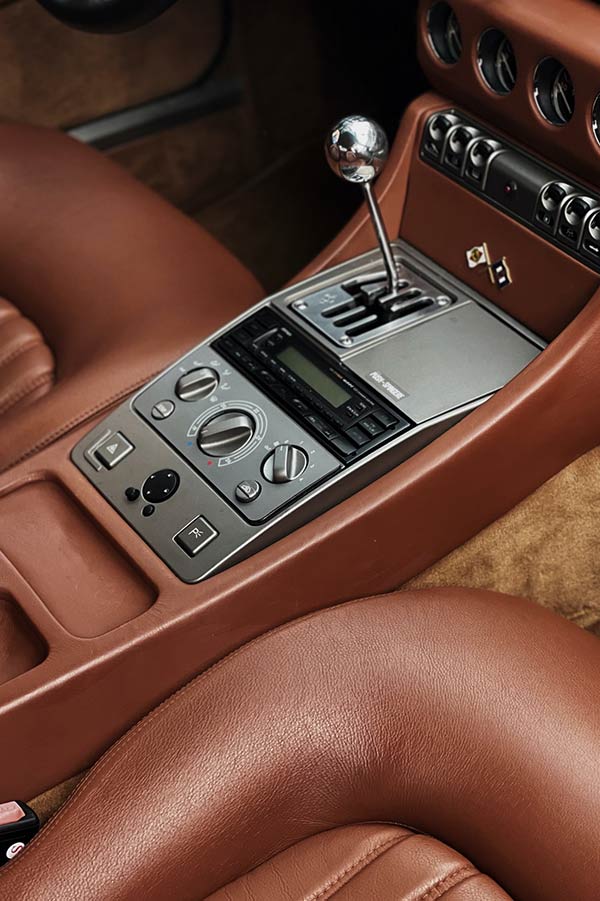
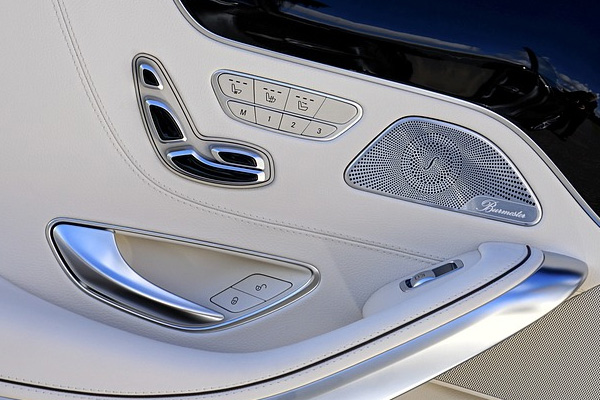
Detail shots highlight specific features like stitching patterns, control interfaces, or material textures. These close-ups work particularly well for marketing materials and brochures.
Leading lines draw the viewer’s eye through the composition. Dashboard lines, seat contours, and door panel designs create natural pathways that guide visual attention.
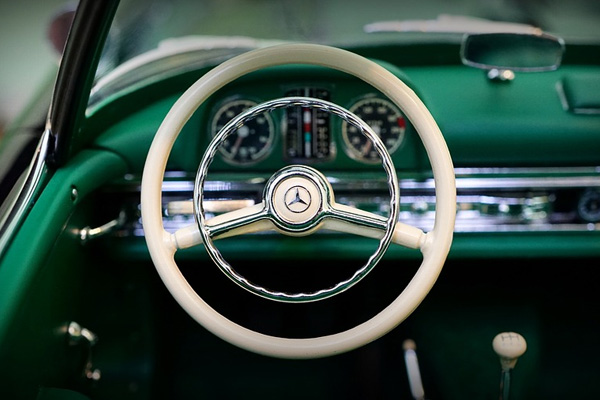
Symmetry appeals to viewers because car interiors are naturally symmetrical. Center your composition on the dashboard or use the rearview mirror as a focal point.
To match the mood of a high-end cabin, try applying cinematic car presets during post-processing.

Color correction balances the mixed lighting sources you couldn’t control during shooting. Adjust individual color channels rather than using global temperature adjustments for better results.
Noise reduction becomes important when shooting at higher ISOs. Topaz DeNoise AI and DxO PureRAW produce excellent results without destroying fine details.
Perspective correction fixes the keystoning that occurs when shooting with wide-angle lenses. Photoshop’s lens correction tools handle most distortion issues automatically.
Selective editing lets you adjust specific areas without affecting the entire image. Masking tools in Lightroom and Photoshop allow precise control over exposure, color, and contrast in different parts of the cabin.
📷 Transform ordinary car photos into portfolio-ready images with our advanced car photography presets.

Budget Setup ($500-1000):
Mid-Range Setup ($1000-3000):
Professional Setup ($3000+):
Car interior photography demands patience, technical skill, and attention to detail. Master your lighting techniques, understand your camera settings, and always prioritize clean, well-composed shots. The automotive industry relies on photographers who can showcase interior design and craftsmanship through compelling images that make viewers want to experience the space themselves.

The best camera for car interior photography will depend on your needs and budget. A full-frame camera with a high megapixel count is ideal for capturing high-resolution photos, but a mid-range crop sensor camera can also work well. To create a shallow depth of field and blur the background, you also need a wide-aperture lens.
Essential lighting equipment for car interior photography includes studio lights, reflectors, and diffusers. You can get a well-lit and balanced photo by using both artificial and natural light.
Preparation for car photography includes choosing the right car, cleaning the interior, and setting up your camera and equipment. A clean car interior will ensure that your photos look their best, and a proper camera and equipment setup will help you capture high-quality photos.
Tips for taking high-quality car interior photos include using a tripod, adjusting exposure and color balance, and shooting from different angles. To take beautiful photos of car interiors, pay attention to the lighting, composition, focus, and exposure.
Poor lighting, blurry pictures, bad composition, and the wrong exposure are all common mistakes when photographing the inside of a car. To avoid making these mistakes, pay attention to the lighting, use a tripod, change the exposure settings, and focus on the composition.
Further readings:
10 best car interiors
Car Brands With the Nicest Interiors
Multi-material smart surfaces boost the IQ of car interiors
The future of interior in automotive
Cockpit Comparison Tesla Model 3 versus BMW 3 Series