Classic Car Photography Guide: Tips, Techniques & Equipment

Michael • May 2, 2025 • 11 min read

Classic Car Photography - Professional classic car photography of 1957 Chevrolet Bel Air convertible during golden hour lighting at vintage diner

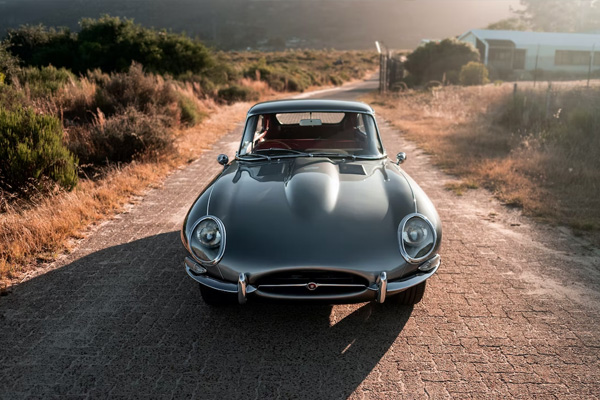
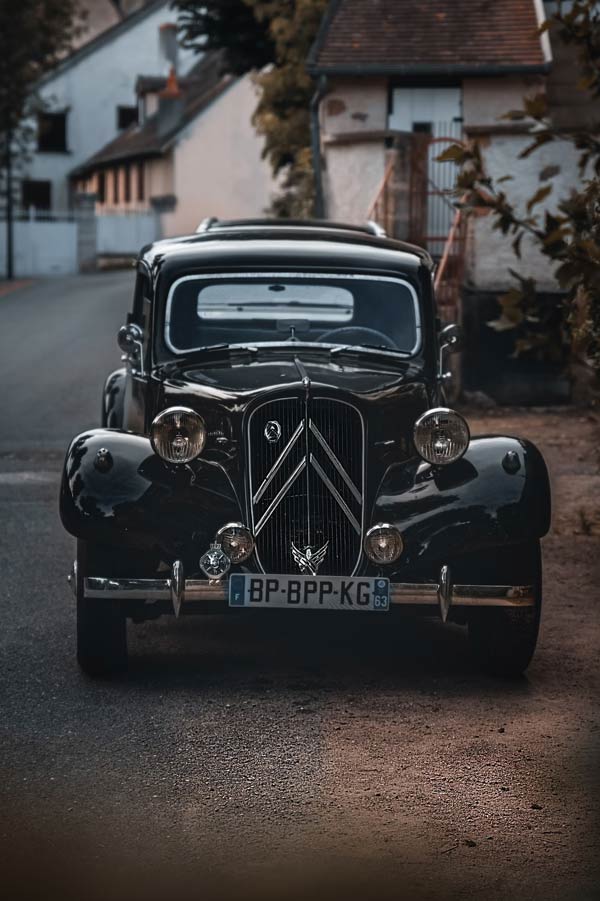
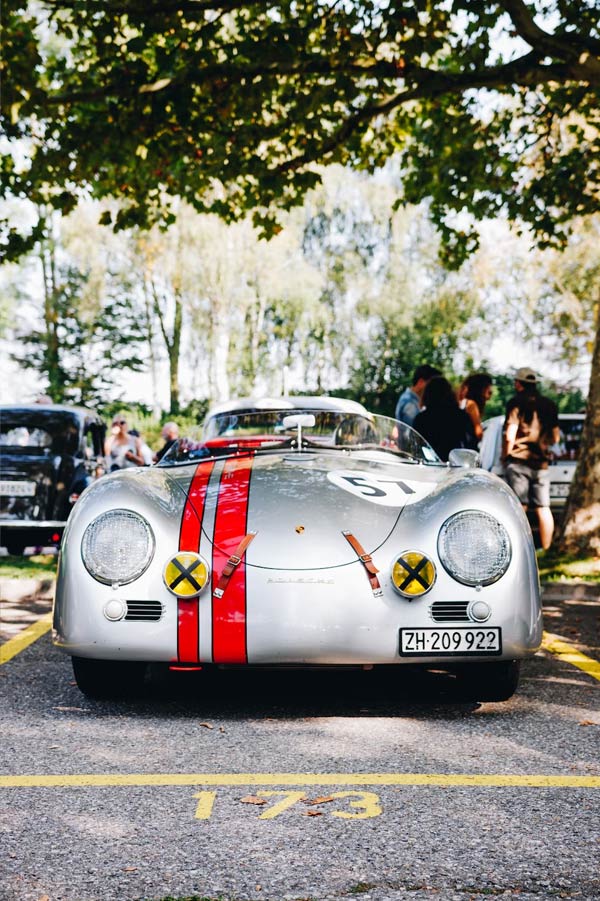
Classic car photography captures more than just metal and chrome – it freezes moments of automotive history that tell stories spanning decades. Whether you’re documenting your own vintage vehicle, building a portfolio, or starting a business photographing collector cars, mastering this specialized craft requires understanding both technical photography skills and the unique character of these automotive treasures.

1. What Makes Classic Car Photography Different

Vintage car photography demands a different approach than modern automotive shooting. These machines were built with different proportions, materials, and design philosophies that require specific techniques to showcase properly.

The chrome bumpers, wire wheels, and distinctive bodywork need careful lighting to avoid harsh reflections, while the patina and character marks tell authentic stories worth preserving.

"Lighting comparison showing 1965 Ford Mustang in harsh midday sun versus flattering golden hour for classic car photography
Proper lighting reveals why vintage car photography requires different techniques than modern automotive shooting

Pro Tip: The key to successful classic car photography lies in three fundamentals: shooting during golden hour for warm light, choosing era-appropriate backgrounds, and focusing on distinctive details like hood ornaments, grilles, and interior craftsmanship.

Clean your car thoroughly before shooting, use polarizing filters to manage reflections, and always respect the vehicle’s historical context in your composition choices.


2. Essential Equipment for Vintage Car Shoots

Your camera gear doesn’t need to break the bank, but certain tools make a significant difference in results. Here’s what you need:

Essential photography equipment for classic car shoots including DSLR camera, polarizing filters, and macro lens
Professional classic car photography requires specialized equipment to handle reflective chrome and intricate vintage details

Camera Body:

  • DSLR or mirrorless camera – Gives you manual control over settings that smartphones can’t match
  • Manual mode capability – Essential for challenging lighting around reflective surfaces

Must-Have Accessories:

  • Sturdy tripod – Indispensable for low-light shots and sharp detail work
  • Polarizing filter – Cuts through windshield glare and reduces unwanted reflections
  • Reflector or small LED panel – Classic car interiors can be surprisingly dark
  • Macro lens – Captures intricate craftsmanship details that separate vintage vehicles from modern mass production

Pro Tip: Long exposures often work beautifully with classic cars, creating dynamic backgrounds while keeping your subject tack-sharp.

1963 Porsche 911 classic car photographed during golden hour on desert road with mountain backdrop
Golden hour timing and era-appropriate locations elevate classic car photography from snapshot to fine art

3. Timing and Location Selection

Golden Hour is Everything: Light quality makes or breaks automotive photography. The hour after sunrise and before sunset provides that coveted golden glow that makes chrome sparkle and paint colors pop without harsh shadows. Avoid midday sun – it creates unflattering contrast and hot spots on reflective surfaces.

Learn how to find the best spots when looking for car photography locations.

Location Strategy:

  • Match the era – 1950s Chevrolet at a classic diner, 1960s sports car against modernist architecture
  • Avoid cluttered backgrounds that compete with your subject
  • Choose simple settings – Empty parking lots, rural roads, or industrial areas often work better than busy street scenes

Weather Considerations:

  • Overcast days – Provide even lighting that works well for detail shots
  • Dramatic skies – Add mood to wider compositions
  • Light rain – Creates interesting reflections (but protect your equipment)

“The car is the closest thing we will ever create to something that is alive.” – Enzo Ferrari.

Low angle composition of 1969 Dodge Charger R/T showing proper wheel positioning and classic muscle car stance
Proper composition techniques emphasize the unique proportions and aggressive stance of classic muscle cars like this 1969 Charger R/T

4. Mastering Composition Techniques

Classic cars have unique proportions that differ dramatically from modern vehicles. Here’s how to frame the them for proper composition:

Start with the Basics:

  • Establishing shots – Show the car’s overall silhouette first
  • Rule of thirds applies – But don’t be afraid to center strong symmetrical designs
  • Shoot slightly below eye level – Emphasizes the car’s presence and road stance

Wheel Positioning Matters:

  • Turn front wheels toward camera – Shows off wire wheels or distinctive hubcaps
  • Profile shots – Ensure both front and rear wheels are visible
  • Nothing ruins a side-view like a hidden rear wheel

Classic Car Specific Tips:

  • Longer hoods need thoughtful framing to show extended proportions
  • Chrome details should be highlighted as key design elements
  • Symmetrical designs were deliberate – center them for maximum impact

Composition Element

Classic Car Application

Modern Car Difference

Hood Length

Emphasize extended proportions

Usually shorter, less dramatic

Chrome Details

Highlight as key design elements

Minimal chrome to work with

Stance

Lower camera angles work well

Higher positions often better

Symmetry

Center strong symmetrical designs

Asymmetrical designs more common

Wheel Position

Show wire wheels/hubcaps clearly

Wheel design less distinctive

Professional lighting technique on 1955 Mercedes-Benz 300SL Gullwing chrome bumper showing dimension without glare
Mastering chrome photography: side lighting reveals the sculptural qualities of this 1955 Mercedes-Benz 300SL’s iconic grille

5. Lighting Strategies for Chrome and Paint

Chrome and polished surfaces present unique problems. Direct sunlight creates harsh hot spots, while shaded areas can look muddy.

Solutions:

  • Position yourself so chrome elements catch soft, indirect light
  • Use the car’s body to create controlled shadows that add dimension
  • Avoid flat, frontal lighting that eliminates dimensional qualities

Paint Work Techniques:

  • Side lighting reveals form and creates natural gradients across fenders
  • Curved surfaces respond beautifully to directional lighting
  • Single-stage paint (common on classics) shows more character than modern clear-coated finishes
  • Don’t hide authentic aging with overly flattering light

“It’s not getting from A to B. It’s not the beginning or the destination that counts. It’s the ride in between.” – Chris Bangle.

Interior photography of 1967 Jaguar E-Type showing leather seats, wood dashboard and vintage gauges with natural lighting
Classic car interiors tell stories through authentic materials.

6. Interior Photography Secrets

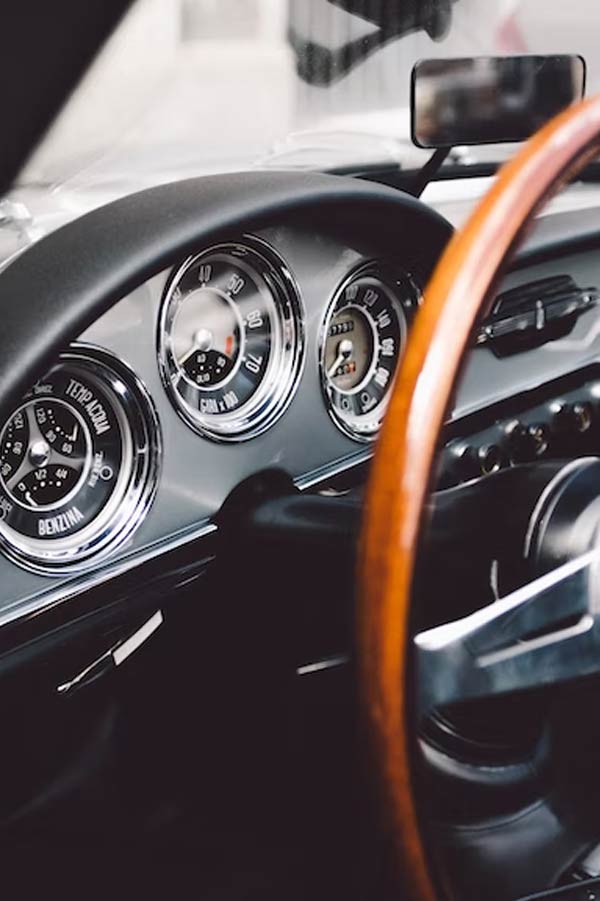
Classic car interiors tell rich stories through materials, craftsmanship, and design details rarely seen in modern vehicles.

Lighting Setup:

  • Window light works best – Avoid direct sun streaming through windshields
  • Position car so soft, indirect light enters through side windows
  • Supplement with LED panels or reflectors to balance shadows
  • Avoid artificial-looking hot spots

Focus on Distinctive Elements:

  • Bakelite steering wheels – Unique to the era
  • Art deco gauge designs – Show period styling
  • Hand-stitched upholstery – Demonstrates craftsmanship quality
  • Metal dashboards – Different from modern plastic interiors

Technical Tips:

  • Use shallow depth of field to isolate specific elements while maintaining context
  • Pre-plan your shots – These interiors have limited working space
Panning photography technique showing 1970 Plymouth 'Cuda in motion with motion blur background
Dynamic panning shots bring classic muscle cars to life – this 1970 Plymouth ‘Cuda demonstrates motion photography techniques

7. Action and Movement Techniques

Static shots serve their purpose, but capturing classic cars in motion adds energy and life to your portfolio.

Panning Shot Basics:

  • Shutter speeds: 1/30th to 1/60th second – Adjust based on car speed and distance
  • Practice smooth camera movement – Jerky pans create uneven blur patterns
  • Pre-focus on target zone – Switch to manual focus to avoid hunting during the shot
  • Vintage vehicles work particularly well – Their distinctive shapes read clearly even when backgrounds blur

Rolling Shots Safety:

  • Never compromise safety for photography
  • Scout locations with long sight lines and minimal traffic
  • Consider stationary positions where cars pass through your frame
  • Avoid complex chase scenes unless you have professional coordination

Pro Technique: Distinctive classic car shapes remain recognizable even with motion blur, making panning shots more effective than with modern cars.

Macro detail photography of 1959 Cadillac Eldorado chrome hood ornament showing vintage automotive craftsmanship
Authentic details sell classic cars – this 1959 Cadillac Eldorado hood ornament showcases the macro photography techniques collectors demand

8. Detail Photography That Sells

Classic car enthusiasts obsess over authentic details, making close-up photography particularly important for documentation and sales purposes.

Key Details to Capture:

  • Hood ornaments and badges – Tell the story of manufacturing eras
  • Mechanical elements – Show craftsmanship standards
  • Engine bay components – Original parts, casting numbers, period-correct modifications
  • Surface textures – Leather seats, wood grain, patina on brass fittings

Macro Photography Tips:

  • Use macro capabilities to capture texture details
  • These surface qualities separate authentic classics from modern reproductions
  • Add emotional connection to photographs through intimate details
  • Clean surfaces beforehand – But avoid over-detailing that removes authentic character

What Collectors Want to See:

  • Original components with part numbers visible
  • Authentic wear patterns that prove originality
  • Period-correct modifications and accessories
  • Craftsmanship details that show quality levels
Photo editing comparison showing 1953 Chevrolet Corvette before and after period-appropriate color grading
Subtle post-processing enhances period authenticity – this 1953 Corvette demonstrates proper color grading for vintage vehicles

9. Post-Processing for Period Authenticity

Digital processing should enhance rather than overwhelm classic car photography.

Color Grading Strategy:

  • Period-appropriate colors reinforce era connection
  • Warmer tones for 1950s subjects
  • More saturated colors for 1960s muscle cars
  • Avoid heavy HDR processing – Creates unnatural-looking results

What Works Best:

  • Natural contrast and genuine shadows show form and dimension
  • Subtle adjustments to highlights and shadows
  • Classic film grain effects – Add authenticity if applied subtly
  • Focus on contrast and texture rather than relying on color

Black and White Conversions:

  • Work particularly well with certain classic cars
  • Pre-war vehicles and race cars are ideal candidates
  • Emphasize texture over color for visual impact
  • Classic film grain can add period authenticity

“I’ve always been asked, ‘What is my favorite car?’ and I’ve always said ‘The next one.” – Carroll Shelby.

Professional classic car photographer working at vintage car show documenting a Porsche Speedster
Building a classic car photography business starts with networking at vintage car shows and connecting with passionate collectors

10. Building Your Classic Car Photography Business

The collector car market offers opportunities for photographers who understand both technical excellence and automotive culture. 

Read our step-by-step guide how to start a car photography business.

Building Your Network:

  • Develop relationships with classic car clubs
  • Connect with restoration shops – They need before/after documentation
  • Attend automotive events – Meet potential clients face-to-face
  • Join online communities – Build your reputation in collector circles

Understanding Your Market:

  • Owners invest significant money in restorations
  • They want documentation that reflects their cars’ quality and historical importance
  • Each manufacturer has distinct design languages that require adapted approaches
  • Collector market preferences vary by marque and era

Pricing Strategy:

  • Price your services to reflect specialized knowledge required
  • Classic car photography isn’t just automotive work – It’s historical documentation
  • Requires understanding of:
    • Period-correct details
    • Restoration quality assessment
    • Collector market preferences
Common classic car photography mistakes - 1966 Shelby GT350 with modern vs period-appropriate backgrounds
Avoid common mistakes: modern backgrounds destroy authenticity – this 1966 Shelby GT350 shows wrong vs. right location choices

11. Common Mistakes to Avoid

Many photographers underestimate the preparation required for successful classic car shoots.

Preparation Failures:

  • Dirty cars photograph poorly – Regardless of lighting or composition quality
  • Budget extra time for cleaning – Or request that owners prepare vehicles beforehand
  • Respect the car’s value – These often have irreplaceable components

Authenticity Breakers:

  • Modern elements in backgrounds break period authenticity
  • Contemporary buildings destroy historical mood
  • Modern cars visible in compositions
  • Anachronistic props ruin the era-appropriate context

Safety Oversights:

  • Valuable collector vehicles require careful handling
  • Unusual operating procedures – Ask before touching anything
  • Restoration work sensitivity – Fresh paint, delicate trim
  • Establish ground rules with owners before beginning sessions

Technical Mistakes:

  • Harsh midday lighting creates unflattering hot spots
  • Cluttered backgrounds compete with the subject
  • Poor wheel positioning hides distinctive features
  • Over-processing that looks unnatural
Advanced photography techniques setup for 1961 Ferrari 250 GT showing multiple exposure equipment and professional lighting
Professional classic car photography techniques: multiple exposure blending captures every detail of this rare 1961 Ferrari 250 GT

12. Advanced Techniques for Professional Results

Multiple Exposure Blending:

  • Works well for classic cars with extreme contrast between bright chrome and dark paint
  • Shoot several frames at different exposures
  • Blend manually for natural-looking results
  • Preserves both highlight and shadow detail

Focus Stacking Applications:

  • Useful for extreme close-ups of mechanical details
  • Provides front-to-back sharpness beyond single-aperture capabilities
  • Perfect for engine bay photography
  • Dashboard detail work benefits significantly

Vintage Lens Character:

  • Experiment with older glass that adds character matching subject’s era
  • Distinctive rendering qualities complement classic car aesthetics
  • Often superior to clinically sharp modern optics for period subjects
  • Creates authentic feel that matches the car’s vintage

Professional Tips:

  • Plan for longer sessions – These cars deserve patience
  • Bring backup equipment – You may not get second chances
  • Study automotive history – Understanding design evolution improves results
  • Build relationships with owners – They become your best advocates

Classic car photography rewards patience, preparation, and genuine appreciation for automotive history. Each vehicle represents specific moments in design evolution, manufacturing techniques, and cultural values worth preserving through thoughtful photography. Apply these techniques and you’ll create images that capture not just cars, but entire eras of human creativity and engineering achievement.

Vintage Car Photo Gallery

Classic Car Video with Key Takeaways

âž” If you’re passionate about capturing stunning car images, explore our Car photography category for expert tips and inspiration. Discover techniques, gear recommendations, and creative ideas to elevate your car photography.

More Car Photography Tips

Further readings:
Can You Guess The Classic Cars From These Interiors?
The top 12 sports cars of the 1960s
Cars of Krugersdorp: 1957
The Beaufort Classic Car Club

What are your tips for Classic Car Photography? Let us know in the comments.

By Furoore team member Michael
Furoore Team is here to assist you in capturing the most significant moments in your life. To create exciting photographs, discover photography guides, find unique photo ideas, and limitless image inspiration.

More Car Photography Knowledge

Discover Professional Automotive Lightroom Presets

Your thoughts and questions