Car Photography Locations: How to Find the Best Spots
Michael • May 30, 2025 • 10 min read


Michael • May 30, 2025 • 10 min read
Finding the perfect car photography locations can make or break your automotive shoot, and after a decade behind the lens capturing everything from street racers to luxury supercars, I’ve learned that location scouting is both an art and a science.
You know that feeling when you nail the perfect shot? The car looks incredible, the lighting is just right, and the background tells a story. That magic usually starts long before you press the shutter. It begins with smart location scouting, much like planning the perfect car photography angles.
Content
Look, I’ve seen photographers with $5,000 setups create mediocre images in boring parking lots. Meanwhile, I’ve watched others with basic DSLRs create stunning automotive photography in carefully chosen spots. The location sets the mood, tells the story, and transforms a simple car photo into automotive art.
This principle is especially true when exploring different types of car photography.
Your location choice affects everything: lighting conditions, background elements, safety considerations, and even legal issues. A great spot can save you hours of post-processing work, while a poor choice can ruin an entire shoot.

The best car photography locations combine interesting backgrounds, good lighting conditions, safe shooting environments, and legal accessibility. Top choices include industrial areas, mountain roads, urban architecture zones, coastal highways, and abandoned structures. Always scout locations beforehand, check permissions, and prioritize safety over the perfect shot.


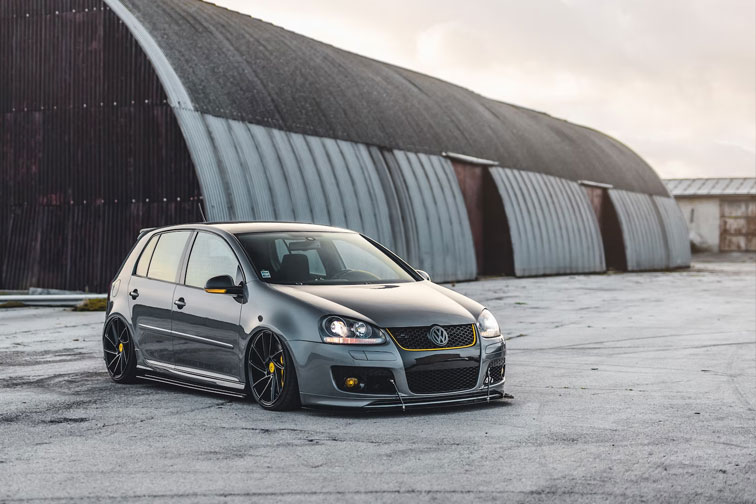
These spots are gold mines for automotive photographers. Old warehouses, shipping districts, and manufacturing areas provide clean lines and interesting textures – perfect for modern metal or classic car photography. The concrete and steel create perfect contrast against sleek car surfaces.
I always look for areas with large walls, interesting doorways, and varied textures. Loading docks work particularly well because they’re elevated and provide multiple shooting angles. Just remember that many industrial zones are private property, so always ask first.

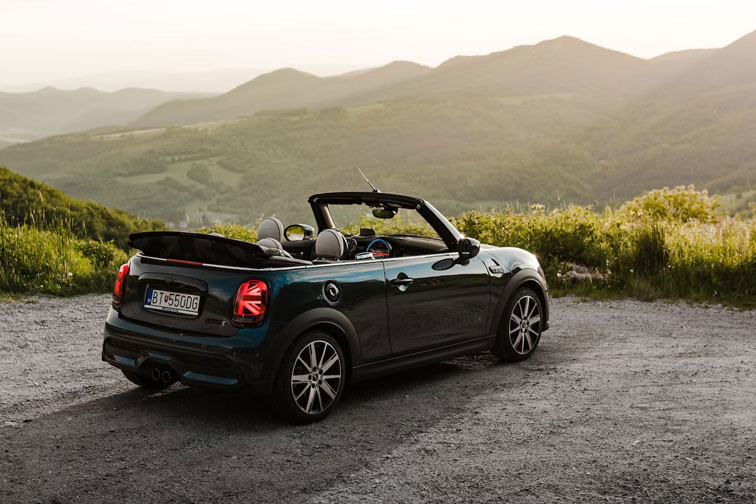
Winding roads with scenic overlooks give you natural leading lines and breathtaking backdrops. These locations work especially well for sports cars and luxury vehicles where the journey story matters as much as the destination.
The key is finding spots with pull-off areas where you can safely position the vehicle. Look for curves that create dynamic compositions and vantage points that show both the car and the landscape.

Water creates natural reflections and adds movement to static car shots. Harbors, lakes, and coastal roads provide varied shooting opportunities from sunrise to sunset. For a unique spin, consider integrating these spots into themed car photography tips.
Marinas are particularly good because they offer clean lines from docks and boats, plus interesting lighting from water reflections. Beach access roads can work too, but watch out for sand getting into your gear.

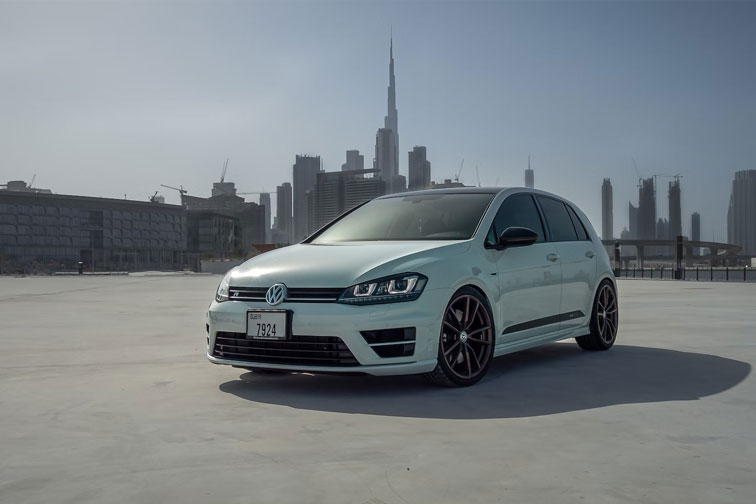
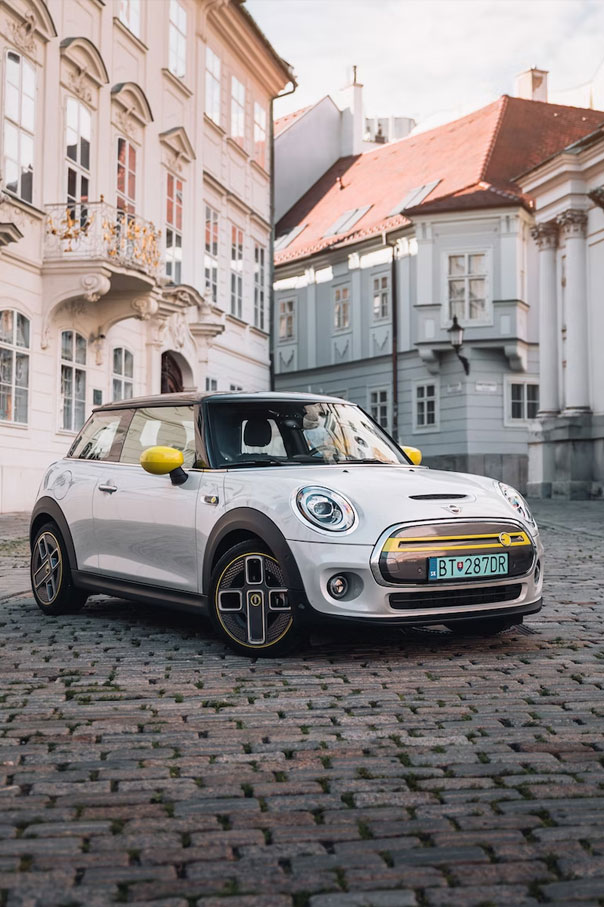
Downtown financial districts, modern shopping centers, and architectural landmarks provide sleek, contemporary backgrounds. These locations work best during off-peak hours when foot traffic is minimal.
Look for buildings with interesting facades, covered parking structures with good lighting, and public plazas with clean sight lines. Glass buildings create interesting reflections, while concrete structures provide strong geometric elements.

Empty buildings, closed gas stations, and unused industrial sites can create dramatic, moody automotive images offering endless photography ideas. These spots tell stories of forgotten places and lost time.
Safety is paramount here. Never enter structures without permission, watch for hazardous materials, and always have someone know where you’re shooting. Many abandoned locations are actually private property or contain environmental hazards.

| Season | Best Location Types | Shooting Considerations | Equipment Needs |
| Spring | Parks, mountain roads, suburban areas | Blooming trees, fresh colors | UV filters, lens cleaning gear |
| Summer | Coastal areas, early morning urban shots | Harsh midday light, heat haze | Shade equipment, extra batteries |
| Fall | Forest roads, rural areas, vineyard regions | Golden foliage, shorter days | Warm clothing, extra lighting |
| Winter | Urban scenes, industrial areas, snowy landscapes | Limited daylight, weather protection | Weather sealing, hand warmers |

Not every location will be perfect, but good photographers make any spot work. Use creative angles, focus on details (like those covered in car interior photography, or wait for better lighting conditions.
Sometimes the most mundane locations create the most interesting photos. Gas stations, parking lots, and ordinary streets can become striking backgrounds with the right approach.
Plan several different compositions for each location. Wide establishing shots, detail shots, and driver portraits can all work from the same spot with different camera positions.
Think about the complete story you want to tell. A single location can provide images that show the car’s relationship to its environment, its design details, and the driving experience.
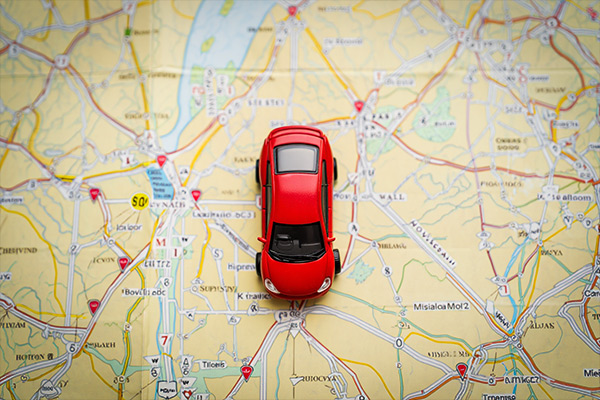
Google Earth and Street View are your best friends for initial location research. You can virtually walk through potential spots, check accessibility, and even see traffic patterns. I spend at least an hour doing digital scouting for every hour of physical scouting.
Instagram and photography forums also provide location inspiration. Search hashtags like #automotivephotography and #carphotography to see what others have discovered in your area.
Always visit locations in person before your actual shoot. Lighting changes throughout the day, and what looks perfect online might have hidden obstacles like power lines or poor road access.
Bring a friend when scouting isolated locations. Take photos of potential shooting spots, note the time of day, and check for any restrictions or hazards. I keep a location notebook with GPS coordinates, best shooting times, and contact information for property owners.
Photo Ephemeris helps you track sun positions and golden hour timing for any location. This app alone has saved me countless hours and improved my lighting dramatically.
Weather apps are essential too. Check not just current conditions but historical weather patterns. Some locations look completely different in different seasons or weather conditions.
Most interesting photography locations are on private property. Always ask permission when possible, and be prepared to provide insurance information or sign waivers. Building good relationships with property owners often leads to repeat access and referrals to other locations. Understanding how to prepare a car for a photoshoot includes securing location permissions.
Public locations like parks and streets usually allow photography, but check local regulations. Some cities require permits for commercial automotive photography, especially if you’re using professional lighting equipment.
Never compromise safety for a shot. If a location feels unsafe, trust your instincts and leave. Always tell someone where you’re going and when you expect to return.
Traffic safety is particularly important for roadside shoots. Use spotters, wear reflective clothing, and never block traffic lanes. Consider hiring off-duty police officers for busy road locations.
7. Advanced Location Assessment Tips

Study how light moves through your chosen location during different times. South-facing walls provide consistent light, while east and west exposures create dramatic morning and evening opportunities.
Look for natural light modifiers like overhangs, reflective surfaces, and open sky areas. These elements can provide professional-quality lighting without additional equipment.
The background makes or breaks automotive photography. Look for locations where you can control or minimize distracting elements. Simple, clean backgrounds let the car be the star.
Consider how different angles change the background relationship. A slight camera position change can eliminate power lines or include interesting architectural elements.
Can you safely get the car to your shooting position? Is there room for additional vehicles if you have clients or assistants? These practical considerations matter as much as aesthetic ones.
Think about equipment transport too. Some amazing locations require hiking with gear, which limits what equipment you can bring.
Keep detailed records of every location you scout or shoot. Include GPS coordinates, best shooting times, contact information, and notes about seasonal changes. This networking is invaluable whether you’re building a portfolio or starting a car photography business.
I use a simple spreadsheet with categories for location type, accessibility, permission requirements, and shooting notes. This database becomes more important as you work with repeat clients who want fresh locations.
Connect with other photographers in your area. Many are willing to share location information in exchange for reciprocal sharing. Car photography communities online are particularly helpful.
Real estate photographers often know interesting architectural locations, while landscape photographers can point you toward scenic road locations.


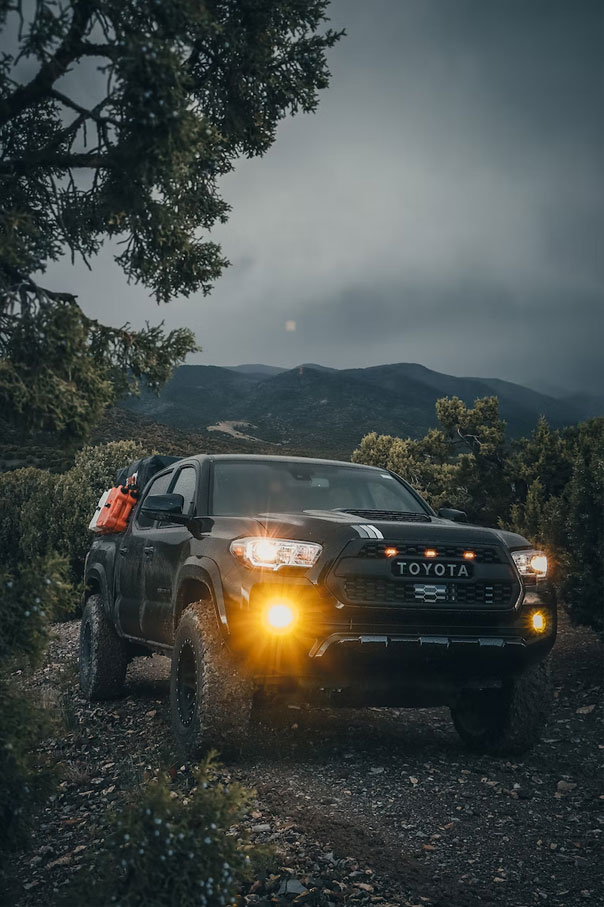
Great car photography locations are everywhere once you know how to spot them. The key is combining careful scouting, legal awareness, safety consciousness, and creative vision.
Start building your location database today. Begin with safe, accessible public locations, then gradually expand to more adventurous spots as your skills and confidence grow. Remember that the best automotive photography locations are the ones that help you tell compelling stories about the vehicles you shoot.
Your next amazing car photo is waiting at a location you haven’t discovered yet. Get out there and start scouting. The perfect spot for your style and subject matter is closer than you think.
➔ Explore our collection of Car Photography Tips and Tricks to elevate your vehicle shots. Learn professional techniques, creative compositions, and lighting secrets for stunning automotive images.

Your thoughts and questions