Lifestyle Portrait Photography: Creating Visual Narratives
Michael • June 11, 2025 • 10 min read


Michael • June 11, 2025 • 10 min read

Lifestyle Portrait Photography captures the magic of real moments between real people, creating images that tell stories instead of just showing faces. This photography style blends the intimacy of portraiture with the authenticity of candid moments, resulting in photos that feel both polished and genuine.
Content

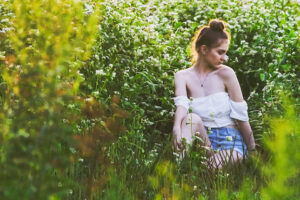
Unlike traditional portrait portraits where subjects pose stiffly against plain backgrounds, lifestyle portraits show people in their natural environments doing things they actually enjoy. Think of a dad tickling his daughter on their living room couch, a couple sharing coffee in their kitchen, or grandparents reading to their grandkids in a sunny backyard.
The key difference lies in storytelling. While regular portraits focus on capturing a person’s appearance, lifestyle portraits capture their personality, relationships, and the feeling of a moment. These images answer the question “Who are you?” rather than just “What do you look like?”

Lifestyle portrait photography sits perfectly between two extremes. On one side, you have traditional posed photography where the photographer controls every detail. On the other, there’s documentary photography where the photographer never interferes with what’s happening.
Lifestyle portraits give you the best of both worlds. The photographer provides gentle direction to ensure good lighting and composition, but subjects interact naturally with each other. This creates images that look spontaneous but are still visually appealing.
Lifestyle Portrait Photography is a style that captures people in natural, everyday settings while they engage in activities they love. Unlike traditional portraits, these images focus on storytelling, emotions, and authentic interactions rather than perfect poses. The photographer provides minimal direction, allowing genuine moments to unfold while ensuring professional quality through proper lighting and composition.

A camera with good low-light performance works best since you’ll often shoot indoors or during golden hour. Full-frame cameras like the Canon 5D Mark IV or Nikon D850 excel here, but crop-sensor cameras like the Canon 80D or Sony a6000 series also produce excellent results.
Natural light remains king in lifestyle photography. Large windows, open doorways, and outdoor shade create the soft, flattering light that makes skin glow. When you need extra light, a simple reflector can fill in shadows without looking artificial.

Before picking up your camera, spend time learning about your subjects. What makes them laugh? What activities do they enjoy together? Where do they feel most comfortable? This information shapes every decision from location to timing.
The best lifestyle portraits happen in places that mean something to your subjects. Their own home often works perfectly because it’s where they naturally relax. If shooting outdoors, choose locations they visit regularly or that reflect their interests.
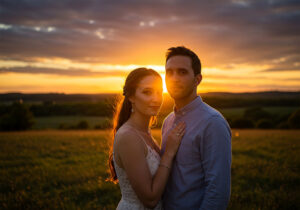
Golden hour (the hour after sunrise and before sunset) provides the most flattering light. However, don’t overlook overcast days, which create beautiful, even lighting that’s perfect for lifestyle portraits.

Use apertures between f/2.8 and f/5.6 to create pleasing background blur while keeping your subjects sharp. For group portraits, f/4 or f/5.6 ensures everyone stays in focus.
Keep your shutter speed fast enough to freeze natural movement. A minimum of 1/125s works for most situations, but bump it up to 1/250s or faster when kids are involved.
Modern cameras handle ISO 1600-3200 beautifully. Don’t be afraid to raise your ISO to maintain proper shutter speed and aperture settings.

Instead of saying “Put your hand on her shoulder,” try “Show me how much you love each other.” This approach creates genuine expressions rather than forced poses.
Often the best shots happen between your official directions. Keep shooting while people laugh, adjust their hair, or share quiet moments. These authentic reactions often become the most treasured images.
When subjects look stiff or uncomfortable, you’ve crossed into traditional portrait territory. Back off and let them interact naturally.
Cluttered backgrounds or harsh lighting can ruin otherwise beautiful moments. Always check your settings and surroundings before shooting.
Technical perfection means nothing if the image doesn’t convey feeling. Focus on capturing genuine expressions and connections.

Keep your editing natural and consistent with your shooting style. Lifestyle portraits should look like enhanced reality, not heavily processed art.
Warm, natural tones work best for lifestyle portraits. Avoid overly cool or dramatic color grades that can make images feel artificial.
Light retouching maintains the natural look while removing distracting blemishes. Avoid over-smoothing skin, which destroys texture and authenticity.
| Experience Level | Session Length | Number of Images | Price Range |
| Beginner (0-2 years) | 1-2 hours | 25-40 edited images | $200-$500 |
| Intermediate (2-5 years) | 1.5-2 hours | 40-60 edited images | $500-$1,200 |
| Advanced (5+ years) | 2-3 hours | 60-100 edited images | $1,200-$3,000+ |
| Luxury/Celebrity | 3-4 hours | 100+ edited images | $3,000-$10,000+ |

Building Your Lifestyle Portrait Business
Start with friends and family to build your portfolio. Offer free sessions in exchange for permission to use the images for marketing. Focus on variety – different families, ages, and settings.
Develop a consistent editing style and approach to posing. Clients should be able to recognize your work immediately. Study different portrait photography types for inspiration, but find your unique voice.
Social media platforms like Instagram and Facebook work perfectly for lifestyle photographers. Share behind-the-scenes content, client testimonials, and finished galleries to attract potential clients.
Remember that the session experience matters as much as the final images. Make families feel comfortable, keep sessions fun, and deliver images promptly. Happy clients become your best marketing tool.

Encourage natural movement like walking, dancing, or playing games. Movement creates dynamic images and helps subjects forget about the camera.
When photographing extended families, focus on the relationships between different generations. Grandparents with grandchildren often create the most emotional images.
Each season offers unique opportunities. Spring flowers, summer golden hour, fall colors, and winter’s cozy indoor settings all create different moods for lifestyle portraits.
Lifestyle portrait photography isn’t just about taking pictures – it’s about preserving memories in their most honest form. While camera gear and technical skills matter, your ability to connect with people and create comfortable environments makes the real difference.
The beauty of this style lies in its accessibility. You don’t need a fancy studio or expensive lighting equipment to get started. Natural light, genuine moments, and a willingness to let life unfold in front of your lens are your most powerful tools.
For more on capturing authentic emotions, explore our guide to photographing faces.
If you’re ready to dive into lifestyle portrait photography, start with these three steps:
Lifestyle portrait photography captures the beauty of everyday moments. Technical skills matter, but they support the goal of creating cherished family images.
Practice and genuine care for your subjects are key. When people feel at ease, the camera fades, and authentic moments emerge naturally. That’s when technique and heart combine to preserve not just moments, but the feeling of being there.
Here are some book titles related to Lifestyle Portrait Photography along with their authors:
Further readings:
The Most Important Piece of Career Advice You Probably Never Heard
How to Take Product Photos for Your Website
How to maintain a healthy Lifestyle
Related Articles
Your thoughts and questions