Food Styling – The Complete Guide for Camera-Ready Food
Silvain • updated May 29, 2025 • 10 min read
Food styling is the art of making food look irresistible for cameras, whether you’re shooting for Instagram, a cookbook, or a restaurant menu. It’s about transforming ordinary dishes into visual masterpieces that make people’s mouths water just by looking at them. Think of it as makeup for food – every dish needs a little help to look its absolute best on camera.
If you’ve ever wondered why restaurant photos look so perfect while your homemade attempts fall flat, you’re not alone. Professional food stylists spend years mastering techniques that make food appear fresh, appetizing, and picture-perfect. The good news? You can learn these same methods to transform your own food photography.
Content
1. What Is Food Styling Really About?
At its core, food styling combines artistic vision with practical problem-solving. You’re not just arranging food on a plate – you’re creating a story, setting a mood, and solving technical challenges that most people never consider. Real food doesn’t always cooperate with cameras. It melts, wilts, changes color, and loses its appeal faster than you can say “cheese.”
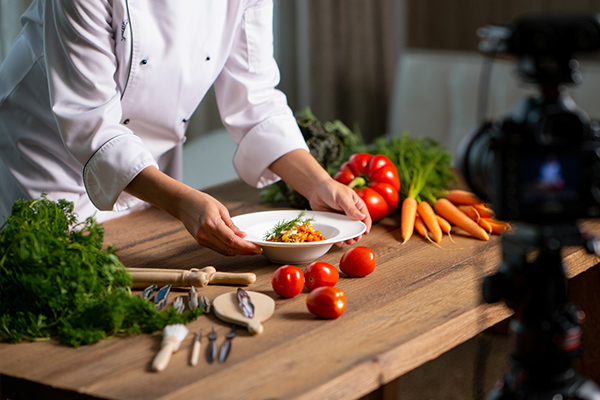
Food stylists combine artistic vision with technical skills to solve challenges that cameras present.
Professional food stylists work with photographers, art directors, and clients to create images that sell products, inspire cooking, and make viewers crave what they see. They understand that food photography isn’t just about the food itself – it’s about the entire visual experience.
“A Food Stylist prepares the food for the pleasure of your eyes and awakens your taste buds through the mix and match of colors, material and textures” – Caroline Ismail, founder of FoodArtConcept
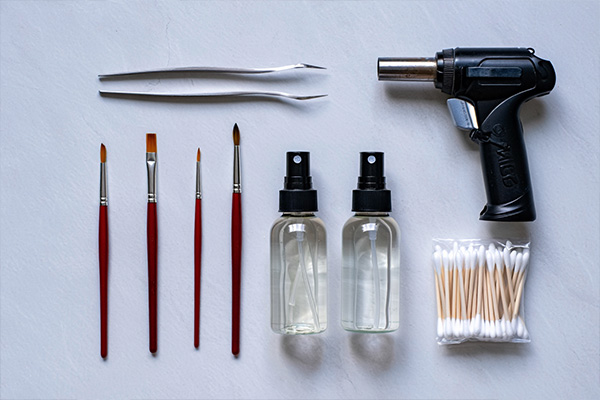
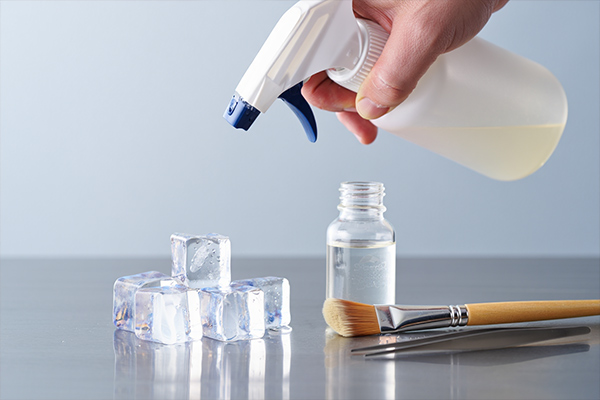
Essential food styling tools help create professional results: tweezers for precision, brushes for oils, and torches for perfect browning.
2. The Food Stylist’s Essential Toolkit
Your toolkit is your best friend in food styling. Here’s what every food stylist needs:
Basic Tools:
Tweezers for precise placement
Small paintbrushes for applying oils and sauces
Spray bottles for adding moisture
Cotton swabs for cleanup
Scissors for trimming garnishes
Kitchen torch for browning and caramelizing
Advanced Equipment:
Various plates, bowls, and serving pieces
Neutral-colored backgrounds and surfaces
Clamps and stands for positioning
Artificial ice cubes that won’t melt
Glycerin for creating fake condensation
Food-safe spray for preventing oxidation
Styling Materials:
Paper towels and napkins
Toothpicks and skewers
Modeling clay or putty for propping
Small mirrors for reflecting light
Various fabrics and linens for texture
Transform Your Car Photos in 1 Click.
.......................................... Get Our Lightroom Presets!
Proper food styling techniques keep ingredients looking fresh and appetizing for hours during photo shoots.
Making Food Look Fresh and Appetizing
Freshness is everything in food photography. Here are the secrets professionals use:
Prevent Browning: Brush cut fruits and vegetables with lemon juice or a mild ascorbic acid solution. This stops oxidation and keeps colors bright for hours.
Add Shine: A light brush of oil or glycerin makes food look juicy and fresh. Don’t overdo it – less is more.
Steam Effects: Use dampened cotton balls heated in the microwave and hidden behind food to create natural-looking steam.
Perfect Grill Marks: Use a metal skewer heated over an open flame to create convincing grill marks on meat and vegetables.
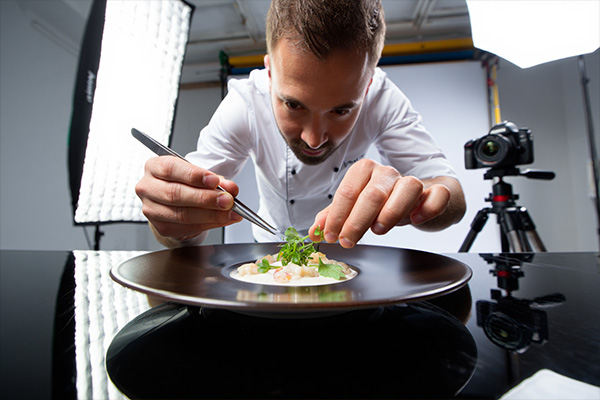
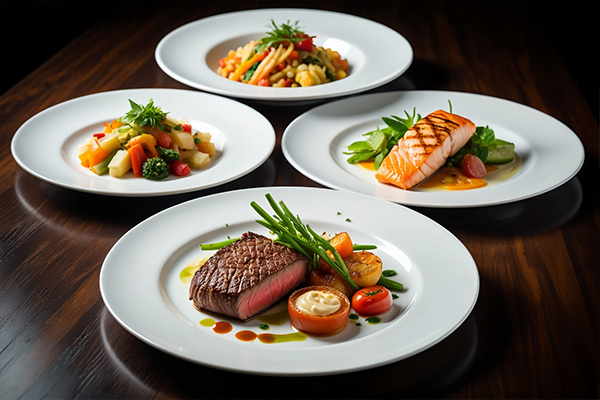
Professional food plating uses composition techniques like the rule of thirds and strategic negative space to create visually appealing dishes.
3. Color Theory in Food Photography
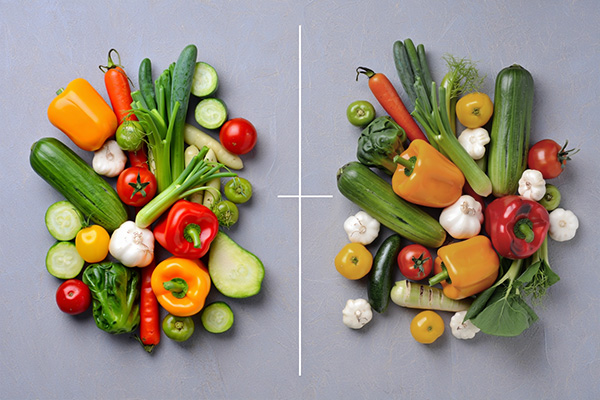
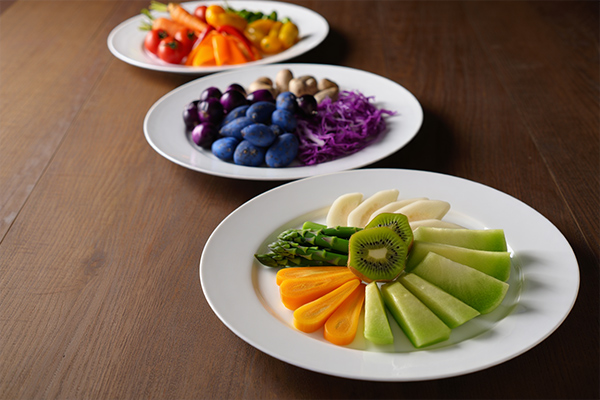
Understanding color relationships transforms good food styling into great food styling. Complementary colors (opposites on the color wheel) create visual interest, while analogous colors (neighbors on the wheel) create harmony.
Warm Colors: Reds, oranges, and yellows stimulate appetite and create energy in your shots.
Cool Colors: Greens, blues, and purples provide balance and freshness.
Neutral Colors: Browns, whites, and grays let your food be the star while providing sophisticated backgrounds.
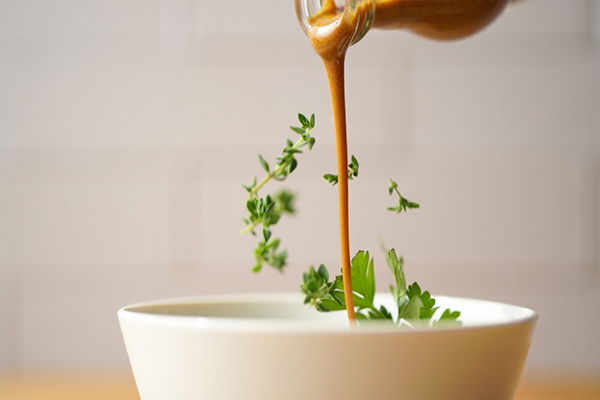
Action Shots: Pouring, sprinkling, or cutting in the frame adds dynamic energy.
Layering: Build depth by overlapping plates, utensils, and ingredients at different levels.
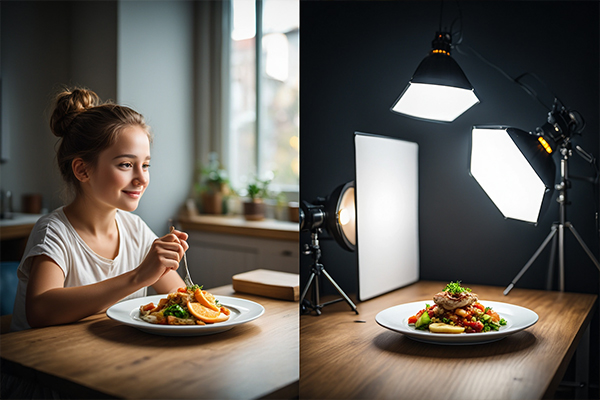
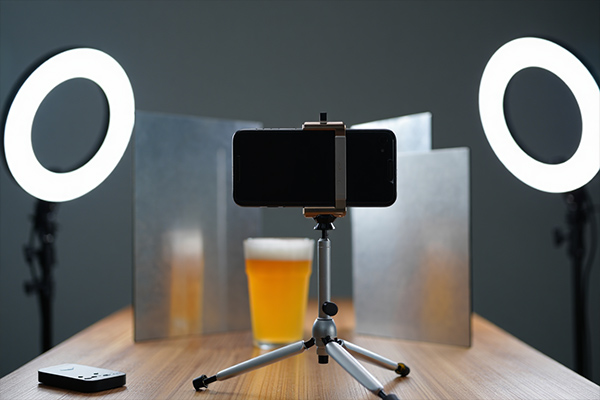
Understanding lighting helps food stylists work with natural and artificial light to make food look its most appetizing.
Lighting Considerations for Food Stylists
While you might not control the lighting setup, understanding how light affects food helps you style accordingly:
Natural Light: Brings out true colors but changes throughout the day.
Artificial Light: Consistent but can create unflattering shadows or color casts.
Reflectors: Use white boards or mirrors to bounce light into shadow areas.
Diffusers: Soften harsh light with translucent materials or fabrics.
5. Problem-Solving Common Food Styling Challenges
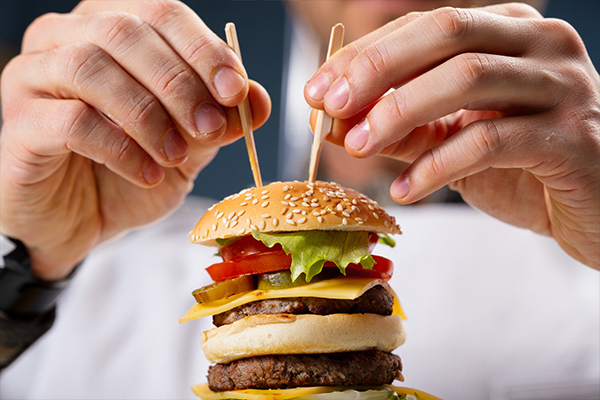
Food styling problem-solving: strategically placed toothpicks keep burger layers in place without showing in the final photo.
When Food Won’t Cooperate
Soup ingredients keep sinking? Use a small bowl turned upside down in the soup bowl to create a platform for your garnishes.
Burgers falling apart? Use toothpicks strategically placed where they won’t show in the final image. Learn to photograph burgers.
Salad looking limp? Spray with ice water and use sturdy lettuce varieties as your base.
Ice cream melting too fast? Substitute with mashed potatoes or colored shortening for longer shoots. All about ice cream photography.
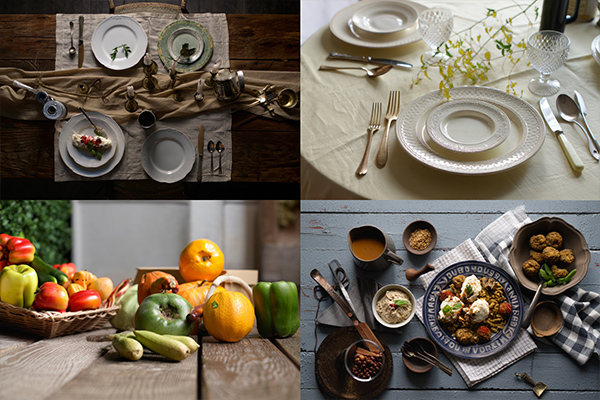
Food styling creates different moods: rustic charm with wooden props, elegant sophistication with clean lines, fresh health with bright colors, and comfort with warm tones.
Creating Mood and Atmosphere
Food styling isn’t just about the food – it’s about creating an entire experience:
Rustic and Homey: Use wooden boards, mason jars, and scattered flour for a farmhouse feel.
Elegant and Sophisticated: Clean lines, minimal garnishes, and monochromatic color schemes.
Fresh and Healthy: Bright colors, natural lighting, and lots of fresh herbs and vegetables.
Comfort Food: Warm colors, soft textures, and generous portions that look satisfying.
“It’s so beautifully arranged on the plate, you know someone’s fingers have been all over it.” – Julia Child
6. Building Your Food Styling Skills
Practice Makes Perfect
Start with simple dishes and work your way up to more complex compositions. Document your process with behind-the-scenes photos to see what works and what doesn’t.
Weekly Challenges: Pick a different food category each week and focus on mastering its specific challenges.
Study Professional Work: Analyze food photography in magazines, cookbooks, and advertising to understand what makes certain images compelling.
Experiment with Props: Build a collection of plates, utensils, and backgrounds that complement different food styles. Learn more about food props here.
Understanding Your Audience
Different platforms and purposes require different styling approaches:
Cookbook Photography: Clear, instructional styling that shows the food clearly.
Restaurant Menus: Appetizing styling that accurately represents what customers will receive.
Advertising: Bold, dramatic styling that creates desire and emotional connection.
7. The Business Side of Food Styling
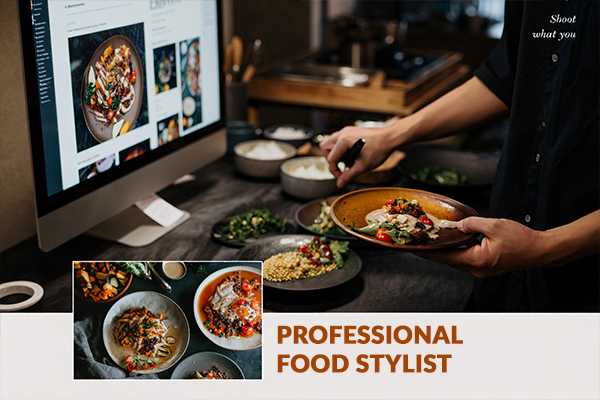
Food styling offers diverse career paths from freelance work to in-house positions, requiring strong portfolios and business skills.
Career Opportunities
Food styling offers diverse career paths:
Freelance Food Stylist: Work with photographers, agencies, and brands on various projects.
In-House Stylist: Join restaurant chains, food brands, or publishing companies.
Food Blogger: Combine styling skills with writing and photography for your own brand. Read about creative tips for Food Blogger.
Cooking Show Stylist: Work in television and video production.
Building Your Portfolio
Create a diverse portfolio that shows your range:
Different Food Categories: Include everything from appetizers to desserts.
Various Styles: Show you can work in different moods and aesthetics.
Problem-Solving Examples: Include before-and-after shots that demonstrate your skills.
Collaborative Work: Show examples of working with photographers and other creatives.
The future of food styling embraces video content, sustainable practices, and mobile-first approaches for changing digital landscapes.
8. The Future of Food Styling
Food styling is evolving with social media and video content, demanding new skills in movement and timing. Sustainability is also crucial, leading to less food waste. Successful stylists adapt while staying true to the core goal: creating irresistible food images. It’s a blend of art, science, and magic, requiring practice and creativity. Every pro was once a beginner— with time, you’ll develop your own unique style.
Frequently Asked Questions
What does food styling involve?
Food styling is the practice of arranging food to make it visually appealing for photography or display purposes.
What are the different types of food styling?
Food styling can be categorized into editorial styling for publications, commercial styling for advertisements, and prop styling which includes the use of accessories to complement the food presentation.
Can you provide an example of food styling?
An example of food styling is arranging a variety of fresh ingredients on a plate to create an attractive salad or capturing steam rising from a hot bowl of soup.
What is an important rule to keep in mind when styling food?
A key rule in food styling is to ensure the main dish remains the focal point, using proper plating techniques and considering factors like color contrast and balance.
Why is food styling important in the restaurant industry?
Food styling enhances the visual appeal of dishes, attracting customers and contributing to a memorable dining experience. It can influence perceptions of taste and quality.
What are the benefits of food styling?
Benefits include improved visual appeal, effective marketing through attractive photographs, brand differentiation, and showcasing creativity in food presentation.
Silvain is a French/German national and has been with the Furoore Team since the beginning. He likes to write about various photography themes, especially food photography. If you leave a comment, he will come back to you to answer any questions you may have.
Do you want better Food photos?
.......................................... Stand out. Get more engagement with One-click.
I like that you pointed out how food styling is the art of arranging food so it would look good on the camera and looks fresh during the photoshoot. I was skimming through a magazine earlier and I found one article that talked about food styling. I read there are food styling specialists now, which is pretty interesting.
I’m not a professional food stylist, but I’ve learned a few things from watching cooking shows. For example, I know that if you want your food to look really good, you have to make sure it’s perfectly arranged. The ingredients have to be evenly spaced, and they all have to be facing the same direction. And of course, you can’t forget the garnish! A sprig of parsley or a slice of lemon can really make a dish pop.
But one thing I’ve never understood is why food stylists always have to make the food look so perfect. I mean, who eats a burger that looks like it’s been airbrushed? I’d much rather have a burger that’s a little messy, but tastes delicious. So next time you’re looking at a food photo, remember that it’s probably been styled to look perfect. And that’s okay! But don’t let it fool you. The real food is probably a lot more delicious.





I like that you pointed out how food styling is the art of arranging food so it would look good on the camera and looks fresh during the photoshoot. I was skimming through a magazine earlier and I found one article that talked about food styling. I read there are food styling specialists now, which is pretty interesting.
I’m not a professional food stylist, but I’ve learned a few things from watching cooking shows. For example, I know that if you want your food to look really good, you have to make sure it’s perfectly arranged. The ingredients have to be evenly spaced, and they all have to be facing the same direction. And of course, you can’t forget the garnish! A sprig of parsley or a slice of lemon can really make a dish pop.
But one thing I’ve never understood is why food stylists always have to make the food look so perfect. I mean, who eats a burger that looks like it’s been airbrushed? I’d much rather have a burger that’s a little messy, but tastes delicious. So next time you’re looking at a food photo, remember that it’s probably been styled to look perfect. And that’s okay! But don’t let it fool you. The real food is probably a lot more delicious.
This is an excellent helpful post. So many useful tips for beginners, as well as a great reminder for more experienced food photographers!!